News Wageningen University & Research
Overview of all news of Wageningen University & Research
EU regulations could hold back innovation in living materials
 11/20/26
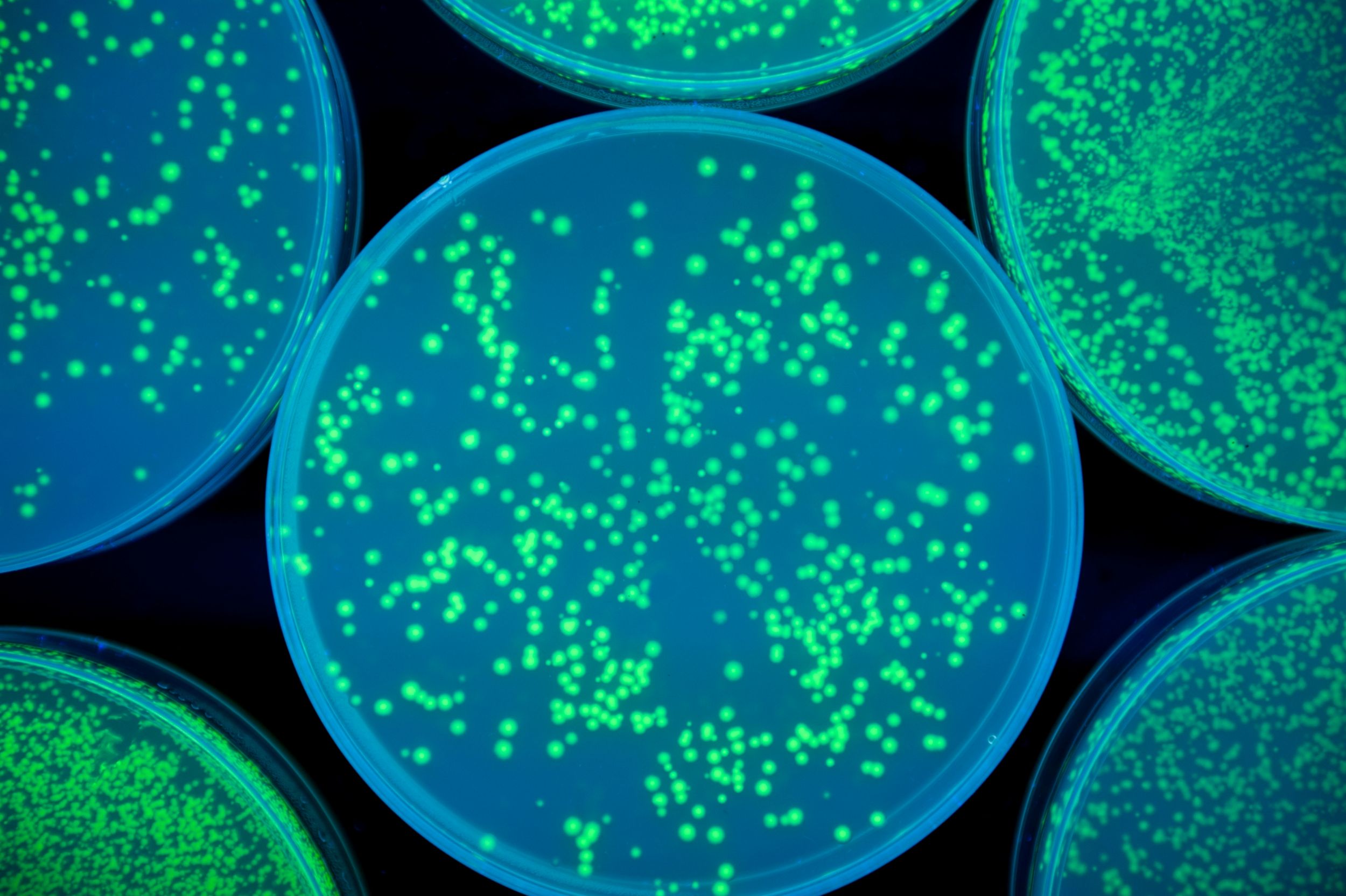
Clothing that purifies the air or a living plaster that produces its own healing substances: biotechnology offers opportunities to develop remarkable new materials. However, according to Justus Wesseler of Wageningen University & Research, European regulations make it difficult to develop these products and bring them to market.
Antibiotic resistance in farm animals remains stable
 11/18/26
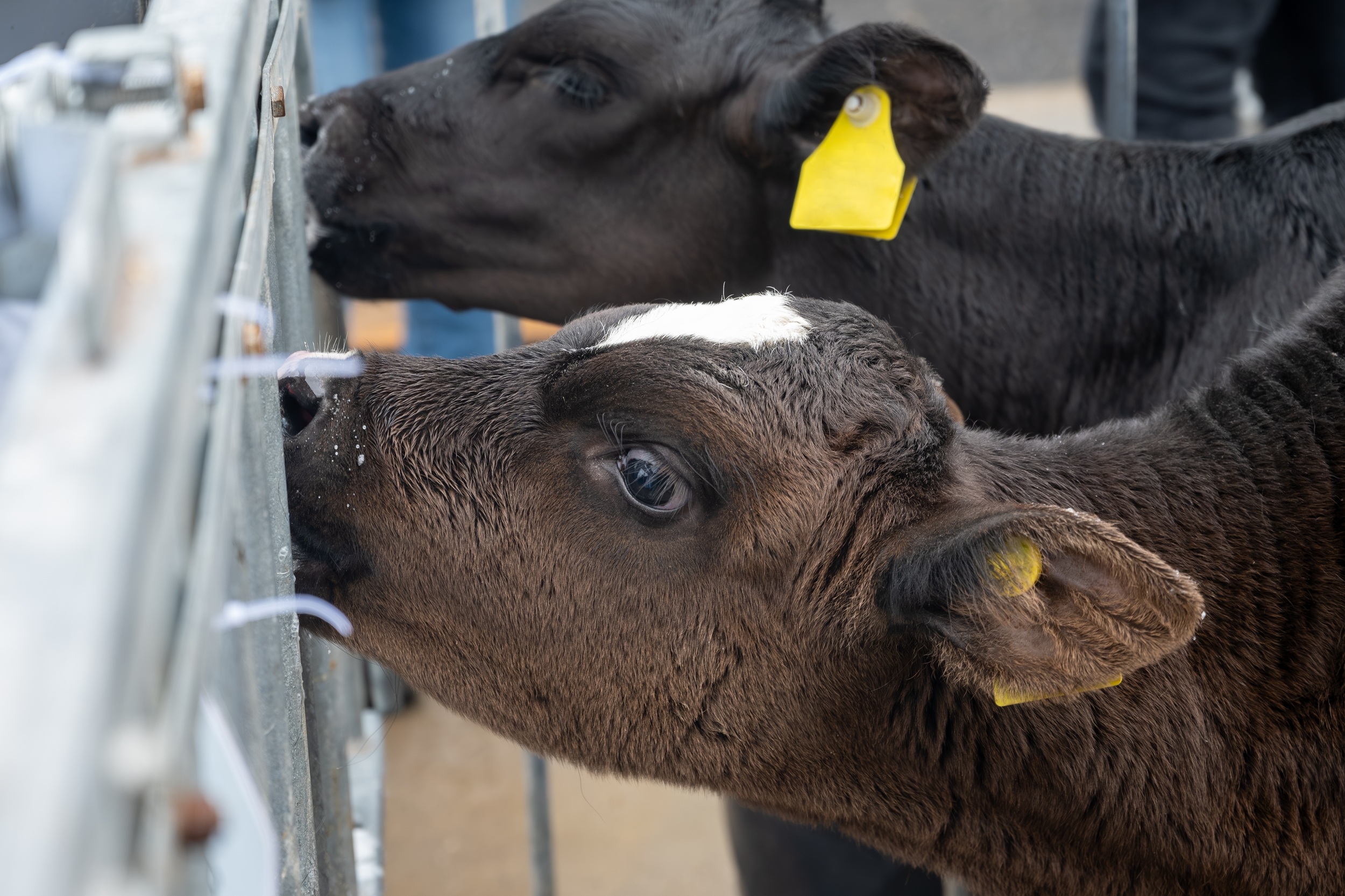
Antibiotic resistance in farm animals in the Netherlands has remained largely stable over the past five years. This is shown in the NethMap One Health report.
Wageningen student team takes second place at iGEM with PFAS-degrading bacteria
 11/18/26
Wageningen students took second place at the international iGEM competition for their biotechnological approach to remove and break down TFA, a persistent 'forever chemical', in water.
Unexpected climate hotspot in the Amazon underlines the need for joint climate and biodiversity action
 11/18/26
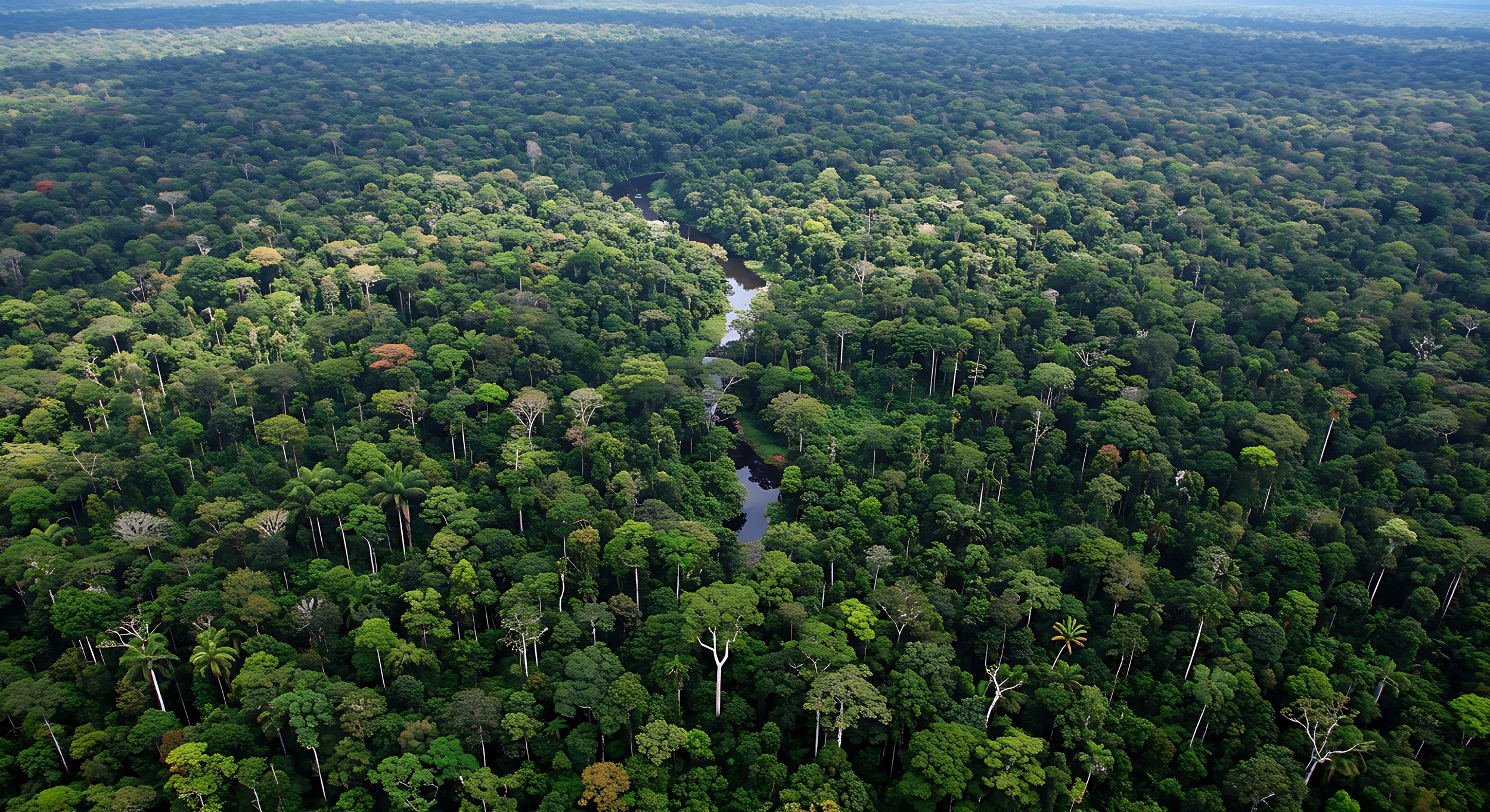
Research shows that the fastest rise in climate extremes in the Amazon occurs in the central-north of the region, not in the more closely monitored south.
Mansholt Lecture 2026: “Agriculture must form the foundation for a sustainable European economy”
11/17/26At the Mansholt Lecture 2026, WUR researchers call for agriculture to play a leading role in Europe's transition towards a sustainable bioeconomy.
Rearing insects on food waste: how safe is it?
 11/17/26
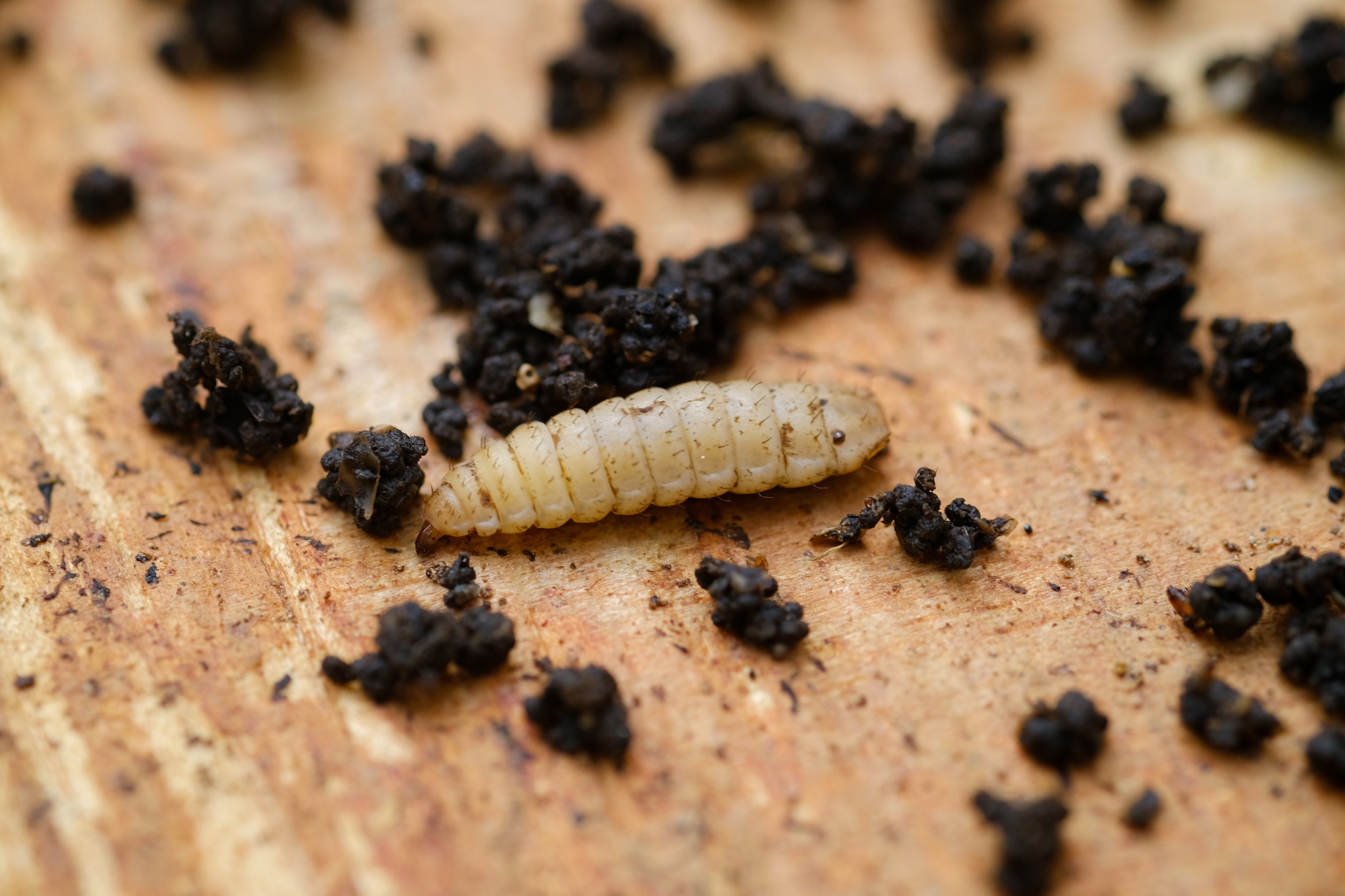
Can insects be safely reared on food waste containing animal proteins? Wageningen researchers investigated the risks of mad cow disease.
Shamonda virus continues to surprise despite years of research into related viruses
 11/16/26
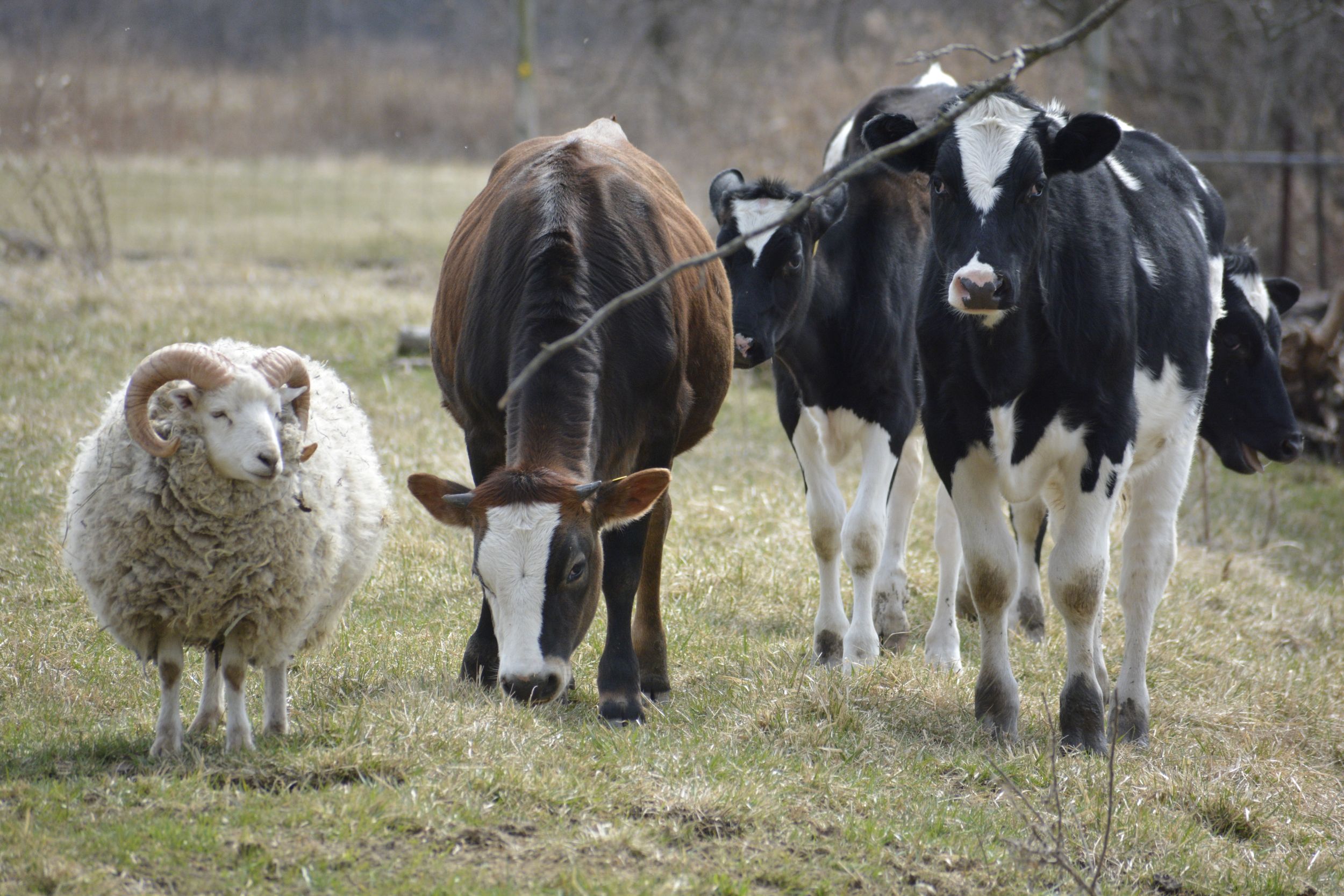
Despite years of experience with related viruses, Shamonda virus continues to raise new questions. The virus, which primarily infects ruminants and is transmitted by biting midges, was detected in Europe for the first time in the summer of 2026.
How can we ensure enough clean water for people and nature?
 11/13/26
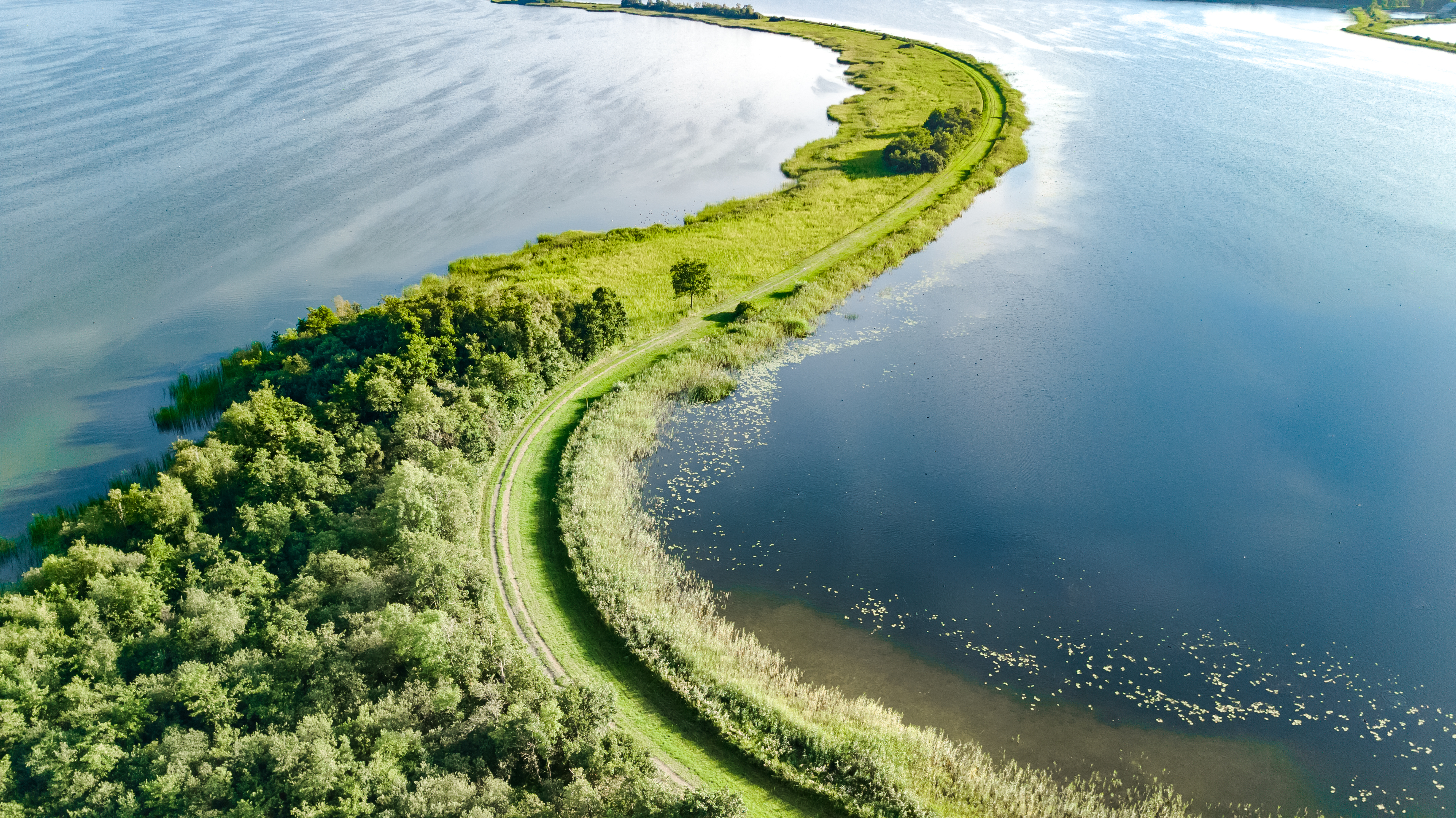
Drought, heat and growing demand for water are putting water supplies under pressure. Through TRANSWATER, researchers and partners from across society are exploring ways to ensure the Netherlands has enough clean water.
Thesis on deadly nightshade and Japanese knotweed wins Birgit Eland's Thesis Prize 2026
 11/12/26
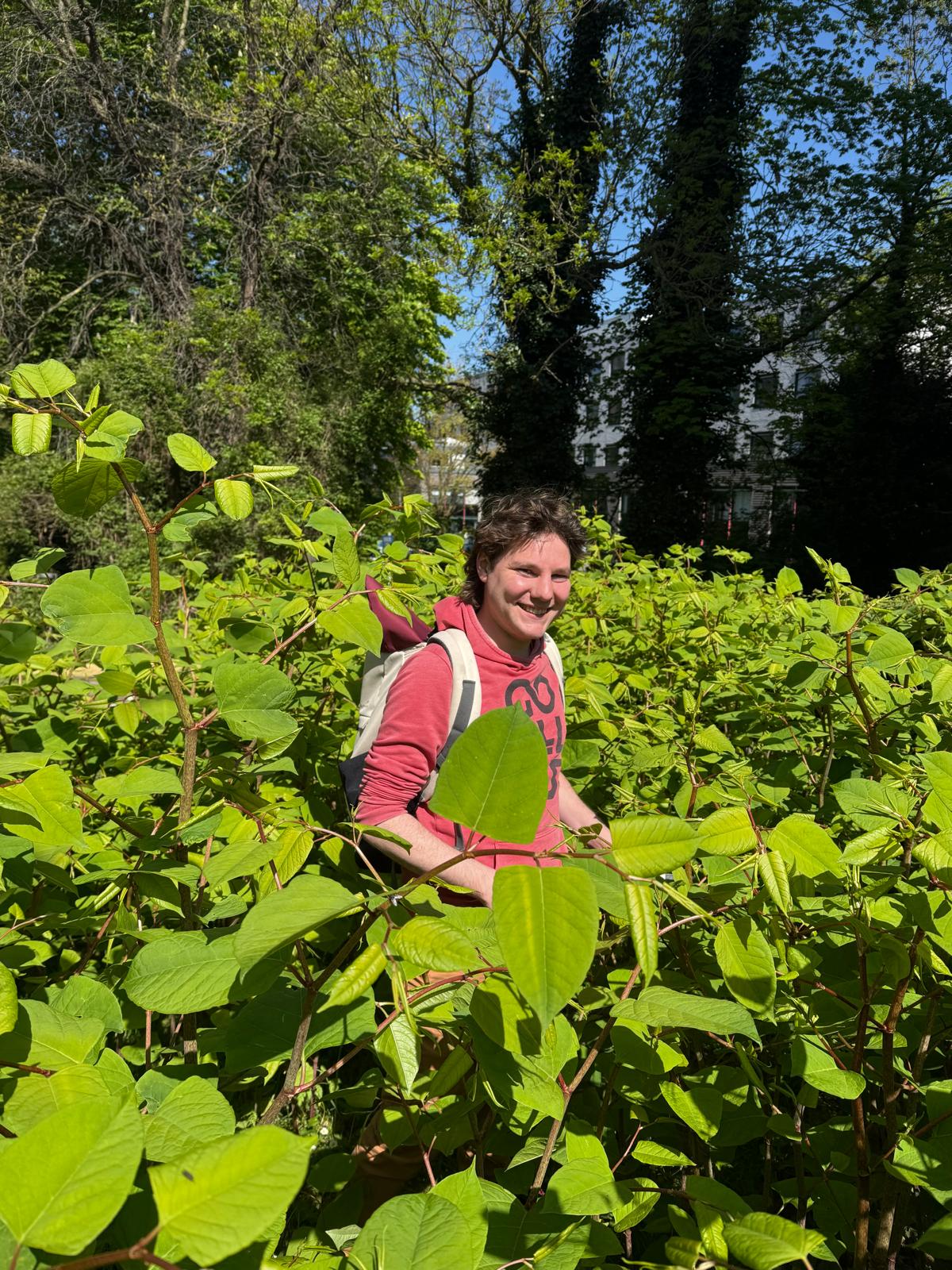
Japanese knotweed is eradicated annually at a cost of 2 million euros in Amsterdam and has been on the Union List of Invasive Alien Species since 2025. Toxic deadly nightshade is protected in the Netherlands as a rare species of national importance, even though it occurs abundantly elsewhere in Europe. How is it possible that one plant is eradicated while another is cherished? What does this say about the criteria by which people determine which nature is valuable and about the interaction between humans and plants? And who actually determines what is native, rare, or invasive? In his Master's thesis at the University of Amsterdam, Sverre Beijne creatively seeks the answers and wins the 5th edition of the Birgit Elands Thesis Prize.


Follow Wageningen University & Research on social media
Stay up-to-date and learn more through our social channels.