A sustainable food future
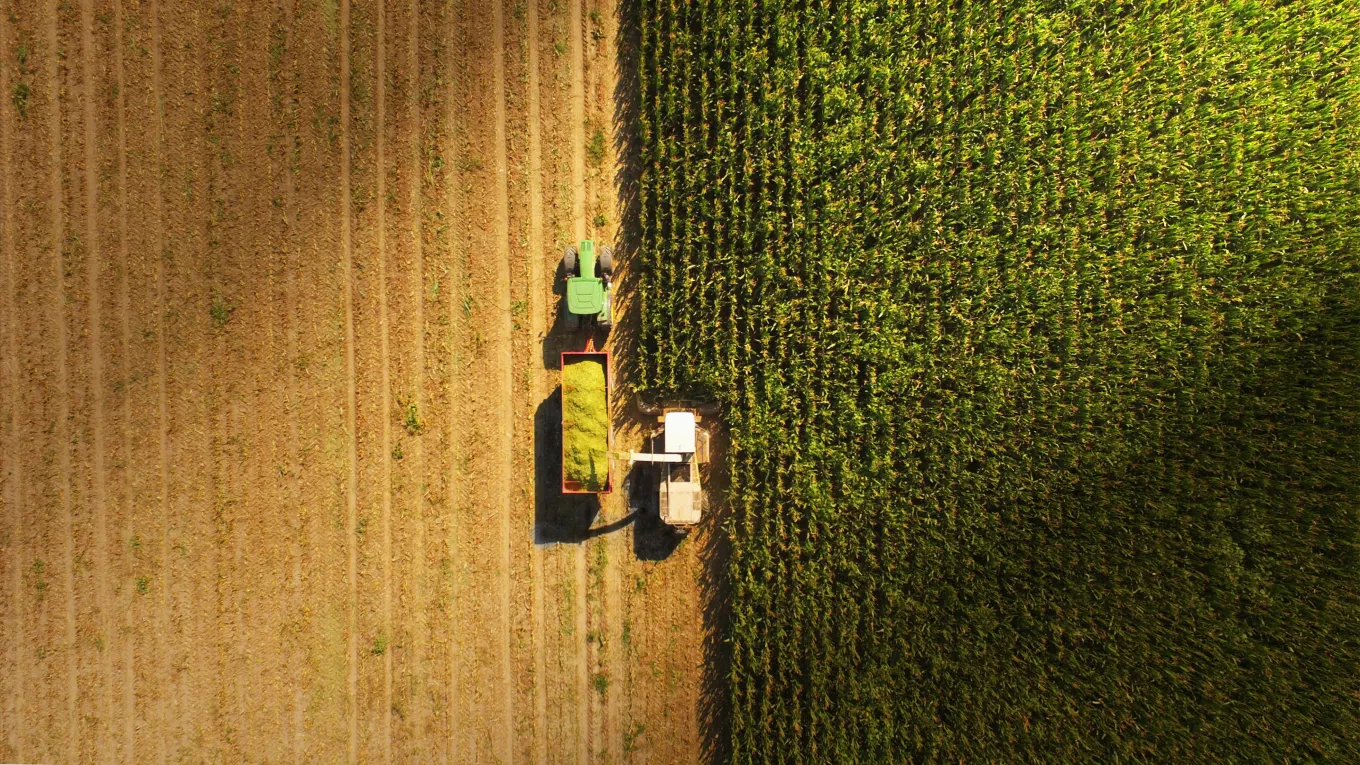
A sustainable food future means rebalancing what we eat, how we produce, and under what conditions food is made. Healthy, largely plant-based diets align with planetary goals; farming must restore soils and biodiversity while ensuring fair incomes and safe labour. Building resilient, regionally connected food systems will help secure nutritious, climate-proof food for all.
Healthy and sustainable diets for people and planet
Global dietary guidelines are largely consistent. Diets based on whole foods — primarily fruits and vegetables, whole grains, and legumes, complemented by lean proteins — are best for our health. Such diets also align closely with sustainability principles.
The question of what we should be eating is therefore largely settled. What urgently needs addressing is why our consumption patterns remain so misaligned with these guidelines, and how meaningful change can be achieved.
Understanding why eating patterns remain inconsistent with global dietary guidance, and identifying effective levers for change, are key priorities.
Public discussion on this topic often focuses on a perceived lack of consumer knowledge, with calls for more communication or education campaigns. While science-based food education remains important, this view oversimplifies the complex reality of food choice. Evidence shows that food autonomy — the right to choose one’s own diet — is a deeply held value. In this context, telling people what they should eat is ineffective at best and may even provoke resistance.
Our focus, therefore, is on shaping the food choice environment — the context in which dietary decisions are made. Advertisers and retailers understand well that choices are influenced by product placement, marketing, and social norms. The same applies to the options offered in out-of-home settings. One of the simplest and most effective interventions is to make the vegetarian option the default.
We also urgently need stronger scientific evidence to depolarise the debate on ultra-processed foods. Current classifications are too coarse, grouping together beneficial processing for food safety (such as cooking, canning, and fermentation) with processes that can reduce nutritional quality (such as refining, which lowers fibre and micronutrient content).
Nevertheless, it is true that many processed and packaged foods remain high in sugar and low in fibre. Food producers can do better — offering products with lower energy density and higher nutritional value. Collaboration between food and public health scientists is vital to deepen our understanding of the mechanisms that drive eating behaviour, as demonstrated by research on how food texture influences eating rate and daily energy intake.
By combining science, innovation, and behavioural insight, we can create a food environment that makes the healthy and sustainable choice the easy choice.

Sustainable food production in balance with nature
Our current way of producing food is depleting the planet’s natural resources. Over the past century, we have learned to produce large volumes of food at low cost, but often at the expense of soil quality, biodiversity, and water reserves. It is time to restore balance — to bring food production back into harmony with nature.
We already have the knowledge, practices, and technologies to farm in ways that protect the soil, create habitats for insects and other wildlife, and use water more efficiently. The challenge now lies in identifying which approaches work best under specific local conditions — taking into account current and future dietary needs and resource availability — and in building strong partnerships to turn this knowledge into action.
A range of future farming approaches can help move towards more sustainable production systems, each prioritising different goals and adapted to local resource conditions.
- Regenerative agriculture focuses on long-term soil health and ecosystem recovery.
- Circular principles aim to eliminate loss and waste, reduce land use for animal feed, and optimise biomass flows across the system.
- Sustainable intensification makes use of precision fertilisation and irrigation, reducing fossil-based inputs while maintaining yields.
- Breeding programmes help increase crop productivity and resilience against pests and diseases.
Connecting sectors and systems can also unlock new opportunities — for example, linking crop and livestock farming, combining land and aquatic production, or integrating agriculture and natural ecosystems.
No single approach will work everywhere. Regions with abundant arable land but scarce water need a different strategy from coastal areas facing increasing soil salinity. Yet in all contexts, action is essential to safeguard our food supply for the future.

Building fair and inclusive food systems
United Nations Sustainable Development 2 calls for progress towards zero hunger. Achieving this goal requires policymakers to make access to healthy and nutritious food a central priority, supported by effective collaboration between public and private partners.
To create truly fair and inclusive food systems, farmers of all sizes and in all regions need viable business models, along with fair incomes, living wages, and safe working conditions throughout the value chain.
Source: Goal 2: Zero Hunger - United Nations Sustainable Development

Strenghtening resilient food systems
A resilient food system not only produces sufficient food — as our current system does — but is also far less vulnerable to shocks and disruptions. To cope with trade dependency and geopolitical tensions, a greater degree of self-sufficiency is needed at the (sub-)continental level. At the same time, regional trade should remain as open and barrier-free as possible. Hyper-local food systems can also be fragile, particularly under changing climate conditions.
When one country faces flooding or drought, open trade with neighbouring regions can be lifesaving and help stabilise prices. As extreme weather and other unpredictable events become more frequent, it is vital to ensure a diverse and robust portfolio of nutritious, climate-resilient crops.
Building resilience must become a central strategic policy goal at both national and international levels. Strategies should be tailored to regional conditions — now and in the future. Two examples illustrate this need: Europe and sub-Saharan Africa (SSA).
Europe
Some degree of self-sufficiency at (sub-)continental level will be desirable to reduce trade dependency and geopolitical vulnerability, while also cutting transport costs and related emissions. Europe is self-sufficient in many commodities, but greater self-sufficiency will require increased production of protein and oilseed crops, combined with a reduction in animal husbandry.
Major programmes are needed to raise protein crop yields, share cultivation knowledge, strengthen mid-chain infrastructure, and increase farmer value through supply chain development. Farmers transitioning to strategic crops will need direct support through collective bargaining and de-risking mechanisms.
Europe also requires breeding programmes to improve drought tolerance and adapt to changing precipitation patterns, as well as to develop tolerance to soil salinity in coastal areas. In addition, programmes that enhance resistance to new pests and diseases are essential to reduce dependency on chemical crop protection.
Sources: WUR Research Repository; IPCC Special Report on Climate Change and Land; WUR Fact Sheet – Food and Water.
Sub-Saharan Africa
Sub-Saharan Africa faces the highest exposure to climate-related food insecurity, compounded by rapid population growth and the urgent need to improve diets. Cultivation of staple crops such as maize and rice must be complemented with other — often local — crops to increase diversity and resilience.
SSA remains the only region where expansion of farmland, rather than higher yields, has driven production growth. Yield gaps — the difference between actual and potential productivity — are large. Increasing crop yields is therefore essential to prevent further land conversion at the expense of nature, biodiversity, and greenhouse gas emissions.
Traditional crops such as cowpeas and groundnuts are naturally drought-tolerant and rich in nutrients, yet many consumers are shifting towards convenience foods and more animal-sourced products. Sustainable alternatives can meet this growing demand — including tasty, healthy, convenient foods made from plant-based or circular sources.
Emerging land-independent technologies, such as fermentation, hold particular promise for SSA, where feedstocks and energy are relatively affordable. With high levels of food loss across the value chain, circular systems can also bring major gains. For example, insects reared on food-loss streams unsuitable for human or animal consumption can recycle valuable nutrients back into the system.
At the farm level, organising smallholder farmers into semi-formal cooperatives can strengthen bargaining power, enable rural–urban market links, and facilitate access to technology and finance. Organised systems are also essential for large-scale targeted irrigation, which will be critical to avoiding widespread crop failure under increasing water scarcity.
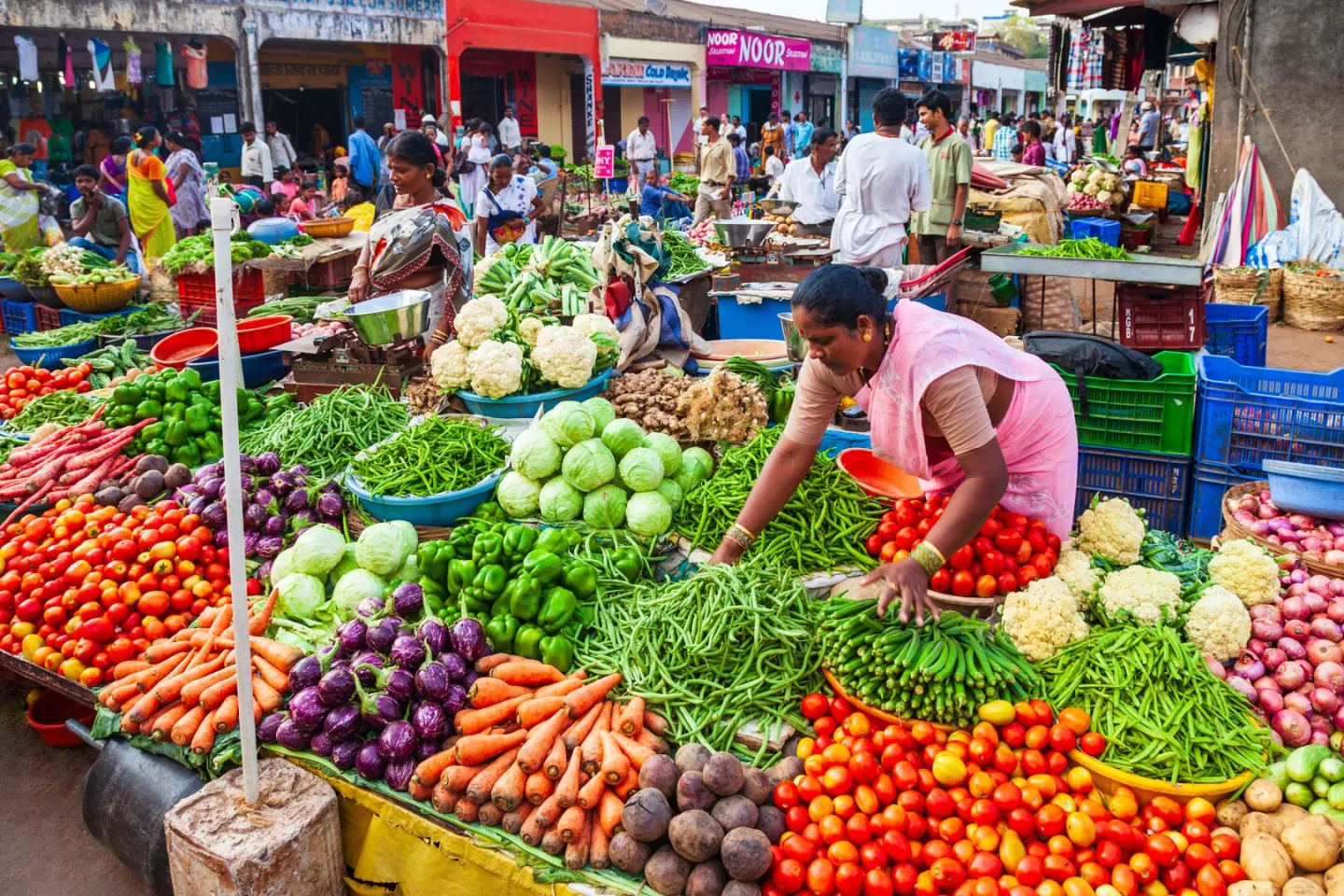
Sustainable food systems
We need to find a new balance between what we eat, how we produce it, and the conditions under which it is grown.