Health for all life explained

Health has no simple definition, because it emerges from the interplay between people, animals, plants and ecosystems. On this page, you can read how health is influenced worldwide, why it is difficult to capture in a single concept, and why health can never be separated from food, living environments or the way we use our ecosystems.
3 questions about sustainable water and land use

What is health?
There is no single, universal definition of health. Many people think of health as the absence of disease, but even that means different things in different places. In high-income countries, the focus is often on preventing chronic diseases such as cardiovascular disease or diabetes. In low-income countries, the emphasis is more often on infectious diseases.
Health goes beyond medical care. At WUR, we not only look at solutions for health problems, but also at the conditions for physical, mental and social wellbeing. We conduct research on healthy nutrition, clean water and clean air, as well as people’s lifestyles, the transmission of zoonoses, the effects of air pollution and the impact of antimicrobial resistance. We explore health across this full breadth: from consumer behaviour to the design of agricultural and food systems.

How does WUR approach health?
At Wageningen University & Research, we view health as a whole. The health of people, animals, plants and ecosystems is inseparable. The food system – how we produce, process, trade and consume food – is a central link in that system.
Food plays a major role in human health: in many parts of the world people eat too much, too little, or not healthily enough. At the same time, healthy ecosystems are essential for growing food. They provide the conditions needed for effective, sustainable agriculture, such as healthy soils, clean water and pollinating insects. Through the food system, humans are also connected to all kinds of other life – from crops and livestock to wild animals and insects.
That system is under pressure, paradoxically due to the way humans have organised today’s food system. A growing demand for food for a growing global population, climate change, biodiversity loss, pollution and other global developments are reshaping the rules for our agro-ecosystems and affecting the health of plants, animals and ecosystems. And when other life on Earth suffers, people suffer too. Infectious diseases spread more easily among unhealthy animals, and where wild animals, livestock and humans come into contact, diseases can spill over. We cannot isolate ourselves from the rest of life on Earth.
“We cannot isolate ourselves from the rest of life on Earth.”
This interconnectedness is central to the Global One Health approach. This is one of the approaches used at WUR. Our researchers look beyond their own disciplines: public health experts work together with specialists in animal health, ecology and food safety. Together, they aim for deeper understanding of the interactions between the health of people, animals, plants and our environment.
WUR also works from a Global Health perspective. This approach focuses on the complex set of factors that influence human health. WUR studies the effects of lifestyle, diet, living environments, and social and economic conditions on health. The emphasis is on staying healthy, on equal opportunities for a healthy life for everyone, and on resilient food systems that ensure sufficient, healthy, sustainable and safe food.

What are the major global health challenges?
Thanks to improvements in healthcare, food provision and infectious disease control, people are living longer: from an average of 73 years in 2023 to a projected 78 years by 2050. But many people spend more of their lives with illness or limitations.
Undernutrition, overweight and non-communicable diseases
A key challenge is the rise of both undernutrition and overweight – the “double burden”. Around 148 million children under five are undernourished. Undernutrition is a major risk factor for health problems such as stunting and anaemia. More than 2.5 billion adults are overweight, and numbers among children and adolescents aged 5–19 are rising rapidly. Some people who are overweight are also undernourished, due to diets high in calories but low in essential nutrients like vitamins and minerals. Overweight is associated with cardiovascular disease and diabetes, as well as 13 forms of cancer, liver and kidney disease, and depression.
An unhealthy lifestyle is one of the main drivers of growing disease. We consume too much sugar, salt and saturated fat, too little fruit, vegetables and wholegrains; we use alcohol and tobacco, experience too much stress, and exercise too little. This contributes to a steep rise in non-communicable diseases such as heart disease, diabetes, cancer and COPD. Around 70% of all global deaths are linked to these conditions.
Large health inequalities persist — between low- and high-income countries, but also within countries. People with lower levels of education, income or access to healthcare, clean water and sanitation tend to live shorter and less healthy lives. War, poverty and forced migration increase the risks of undernutrition, infectious diseases and mental health problems. Climate change and environmental pollution – including air pollution, responsible for around seven million deaths annually – further threaten global health.
Zoonoses
A zoonosis is an infectious disease that can pass from animals to humans. COVID-19 is one example. Another is the Ebola virus, which can spread from bats and primates to humans. Zoonoses can also be caused by bacteria, as in the case of tularaemia. Around 150 zoonotic diseases are known worldwide, such as tuberculosis, rabies and hepatitis E. About 60% of emerging infectious diseases in humans originate in animals, and roughly 70% of those come from wildlife.
These diseases do not appear out of nowhere. Wildlife, pathogens, livestock and people are increasingly coming into contact. These encounters are almost always driven by human disturbance of natural systems, such as deforestation, intensive agriculture and climate change. Habitat loss can cause stress in wild animals, making them more vulnerable to disease – while also bringing them closer to humans and increasing the risk of spillover.
Vector-borne diseases spread by insects like mosquitoes and ticks also pose a growing threat, with climate change as a driving factor. As temperatures rise in the Netherlands, diseases currently common in the southern hemisphere may become a risk here. The West Nile virus has already made this jump.
“Many people spend more of their lives with illness or limitations.”
Antimicrobial resistance
Antibiotics are medicines that kill bacteria or slow their growth. Overuse in livestock can create health risks for both animals and humans. Bacteria can become resistant to treatment. These resistant bacteria can spread, making infections harder to treat. Even people who have never taken antibiotics can be affected — something seen increasingly often. WUR monitors resistance in animals and animal-based products so that timely action can be taken.
A particular concern is bacteria with resistant plasmids – pieces of DNA that can easily be exchanged between bacteria. Because bacteria can accumulate several of these elements, this can lead to multidrug-resistant bacteria. Large-scale antibiotic use in livestock increases the selection pressure for such bacteria and raises the risk that they enter the human food chain. Reducing antibiotic use in animals is therefore essential.
Pressure on ecosystems
The health of ecosystems is at risk due to human activities. Industry, agriculture, urbanisation and transport contribute to biodiversity loss and reduced genetic diversity through pesticide use, over-fertilisation, nitrogen emissions, habitat destruction, groundwater extraction and pollution. Agriculture plays a key role: it is the leading global driver of biodiversity loss, and contributes heavily to deforestation, loss of freshwater biodiversity and greenhouse gas emissions. At the same time, drought, soil degradation and declining pollinator populations weaken crop stability.
Pesticides disrupt soil life and harm insects and birds. Excess nitrogen reduces plant and animal diversity in rivers and lakes. At sea, fisheries, sand extraction, shipping, climate change and invasive species play major roles. On land – especially in the Netherlands — nitrogen deposition and drought present major threats. Climate change amplifies all these pressures and increases extinction risks. Because these factors reinforce one another, strong and sustained reductions in human pressure are essential to restore ecosystems.
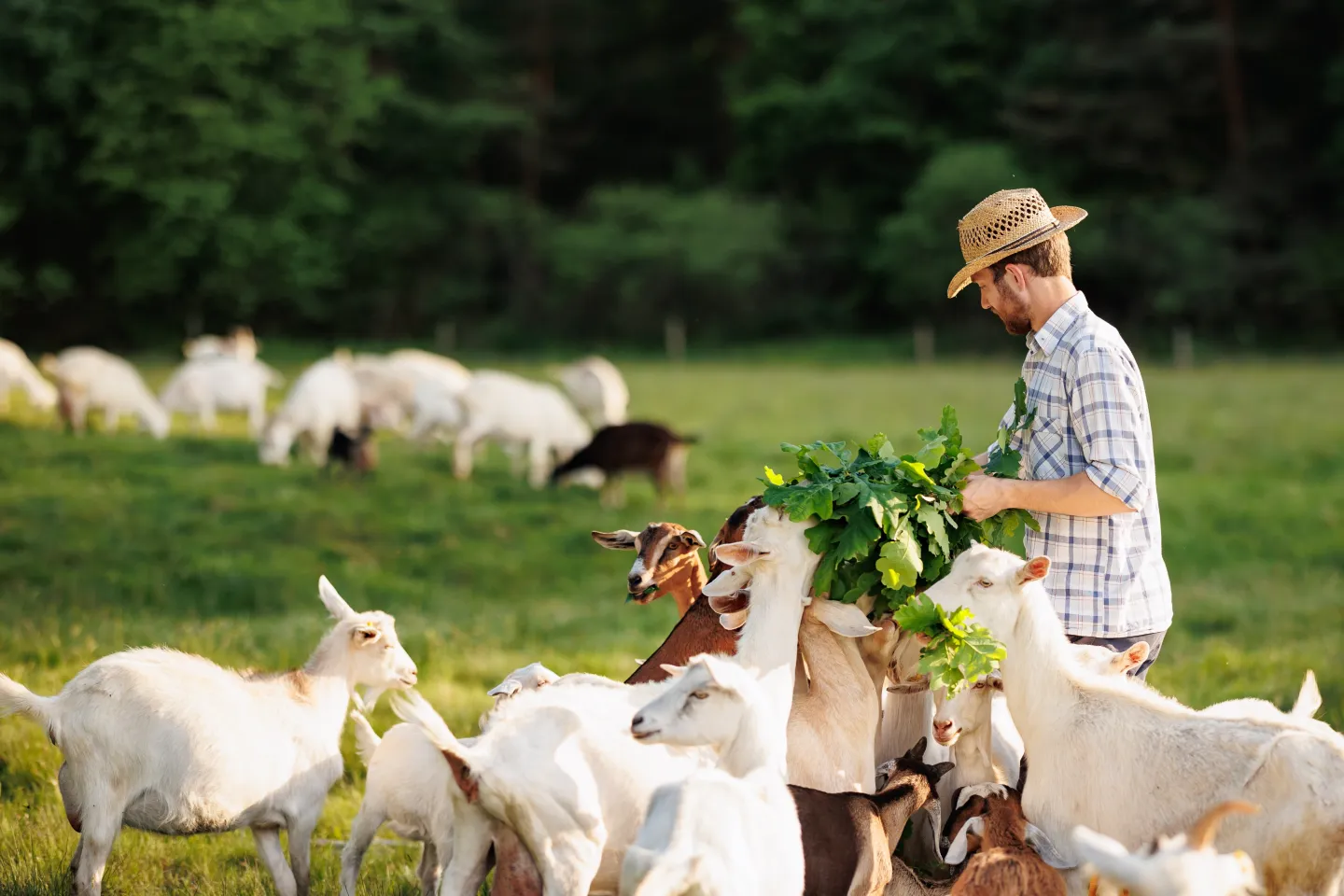
Health for all Life
In a healthy world, it is not only people who thrive. Our health is connected to the health of all living things.
Follow Wageningen University & Research on social media
Stay up-to-date and learn more through our social channel.