Artificial Intelligence
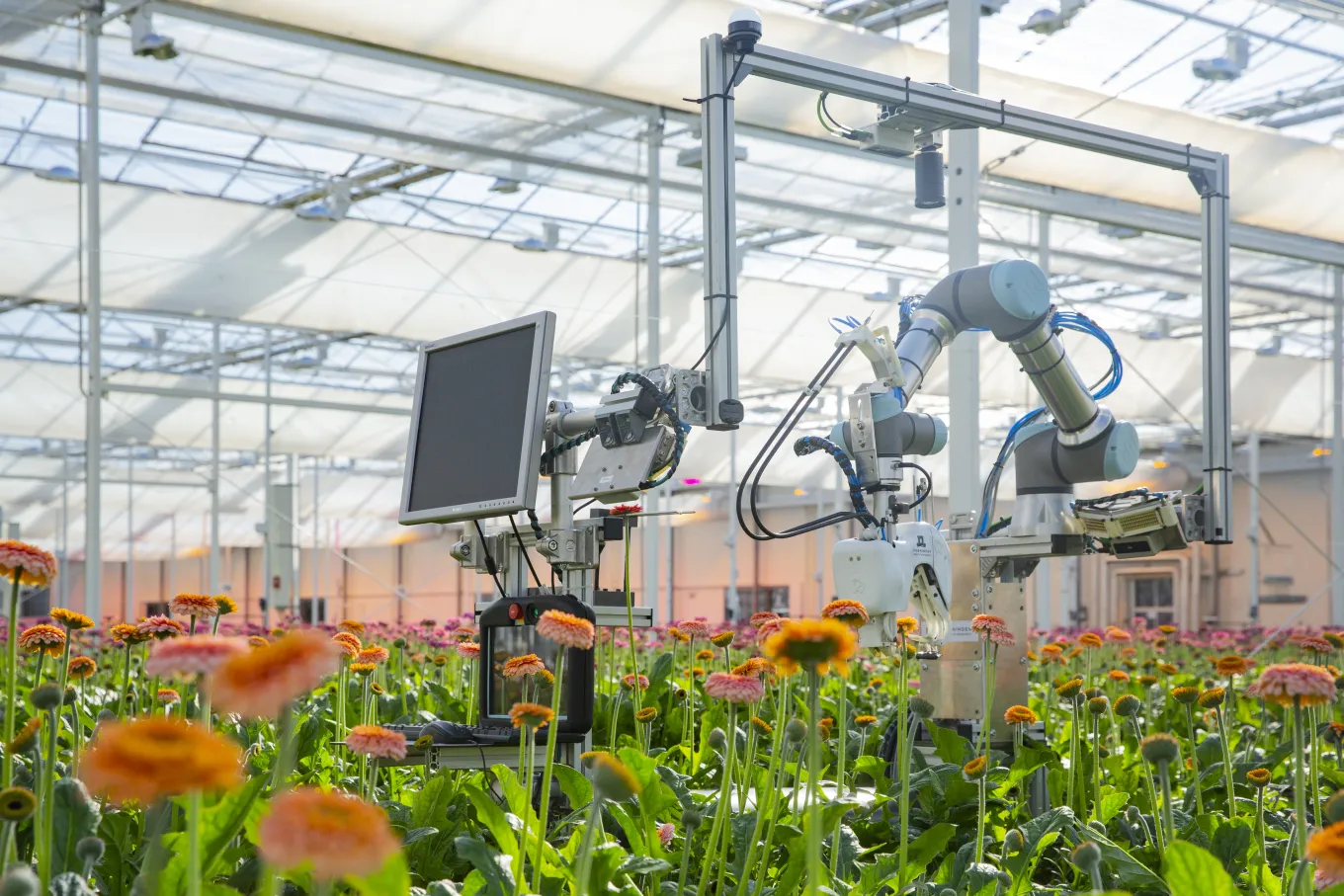
The advancements in artificial intelligence are progressing rapidly. AI offers opportunities for faster analyses and new insights. It can be a powerful tool for scientific innovation and sustainability but also raises questions about data and ethics. WUR's ambition is to contribute to society responsibly with AI, building on our ongoing efforts in this field.
Explainer
Artificial Intelligence holds the potential to contribute immensely to science by data analysis, accelerating discoveries, and enabling innovative research and education methodologies. From optimising agricultural practices to estimating global change impacts, AI can be a powerful tool driving scientific innovation and sustainability worldwide.
Frequently asked questions about this topic
Artificial intelligence (AI) encompasses techniques such as machine learning, deep learning, and natural language and image processing, enabling systems to learn, reason, and make decisions independently based on data. AI is applied across various sectors, including research and education.
Artificial intelligence is essential for WUR’s research and education in the field of healthy food in a healthy environment. We already use AI to assess food quality through image recognition, cultivate land autonomously under varying local conditions, monitor livestock health remotely, and determine which hereditary traits lead to fertile and disease-resistant breeds and crops. The list of applications is nearly endless.



Learn more about our expertises (3)


Our experts

Climate-proof futures
To withstand the impacts of climate change, adaptation is essential — from green cities to nature-inclusive agriculture.