Number of West Nile virus infections in horses continues to rise

- drs. HJ (Heather) Graham
- WR Onderzoeker
The number of horses with a recent West Nile virus infection in the Netherlands has risen to 163 (as of 8 October). The virus has also been detected in wild birds and mosquitoes. These findings show that West Nile virus is circulating in several parts of the Netherlands.
The NVWA reports that 13 additional horses tested positive last week. The total number of reported cases of horses with West Nile virus in 2026 now stands at 163. Infected horses have so far been identified in the provinces of South Holland, North Holland, North Brabant, Utrecht and Gelderland. This means that infections have now been detected across several areas in the west and center of the Netherlands.
The number of cases may increase further in the coming weeks. As mosquito activity declines due to lower temperatures later in the year, the likelihood of further transmission of the virus will also decrease.
Wild birds and mosquitoes
West Nile virus is also being detected more frequently in wild birds. The national West Nile virus working group reports that 39 wild birds have now tested positive (as of 11 September). The relatively high mortality among corvids is particularly notable. Mortality among wild birds can indicate that the virus is actively circulating in an area. Infected mosquitoes have also been detected, confirming that the virus is circulating at multiple locations in the Netherlands.
Neurological signs in horses
Equine veterinarians are advised to remain alert to neurological signs that may be associated with West Nile virus infection, particularly in areas where infections have been detected.
The number of blood samples submitted for testing has increased sharply in recent weeks. As a result, the available budget for free-of-charge exclusion diagnostics has been fully used. This form of monitoring has therefore been discontinued. Routine diagnostics for West Nile virus remain available.
Timely diagnosis and reporting remain important. They support accurate diagnosis and appropriate advice for horse owners and help monitor the spread and development of West Nile virus in the Netherlands.
West Nile virus is notifiable
The West Nile virus is a zoonotic virus and a notifiable disease in horses and birds in the Netherlands. The confirmed cases have therefore been reported to the Netherlands Food and Consumer Product Safety Authority (NVWA), and official samples have been collected from the horses concerned.
Measures to protect horses against West Nile virus
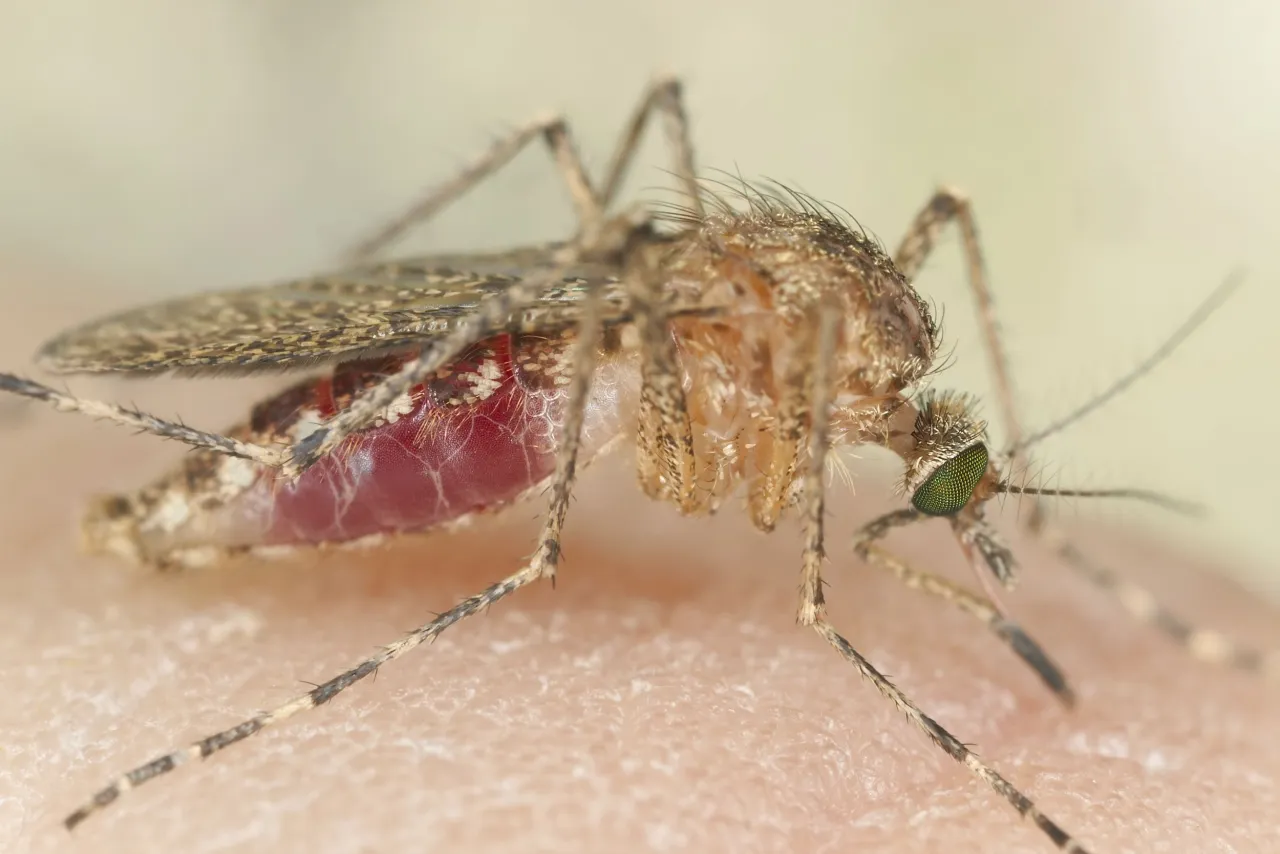
West Nile virus is transmitted by mosquitoes, including the common house mosquito. Horse owners can reduce the risk of infection by taking measures to limit their horses’ exposure to mosquitoes. These include keeping horses indoors around dusk and removing standing water and other potential mosquito breeding sites.
Vaccination against West Nile virus is also available for horses. Please bear in mind that it takes several weeks (four to six) after vaccination for protection to develop.
More information
More information about West Nile virus, diagnostics and research at Wageningen Bioveterinary Research is available on our page about vector-borne animal diseases.
Royal GD also provides up-to-date information for horse owners and veterinarians in its West Nile virus dossier.
Questions?
Do you have a question regarding this subject or do you wish to collaborate with us? Contact our expert.