Climate-proof futures explained

A climate-proof future is about adapting to the impacts of climate change while preventing further damage. Across the world, we are facing more extreme weather, droughts and floods. How can we prepare our cities, agriculture and natural environments for these challenges? And which innovations can help make people and nature more resilient? Here, we explain what climate adaptation involves, why it is so important, and what causes climate change.
3 questions about a climate-proof future

What is a climate-proof future?
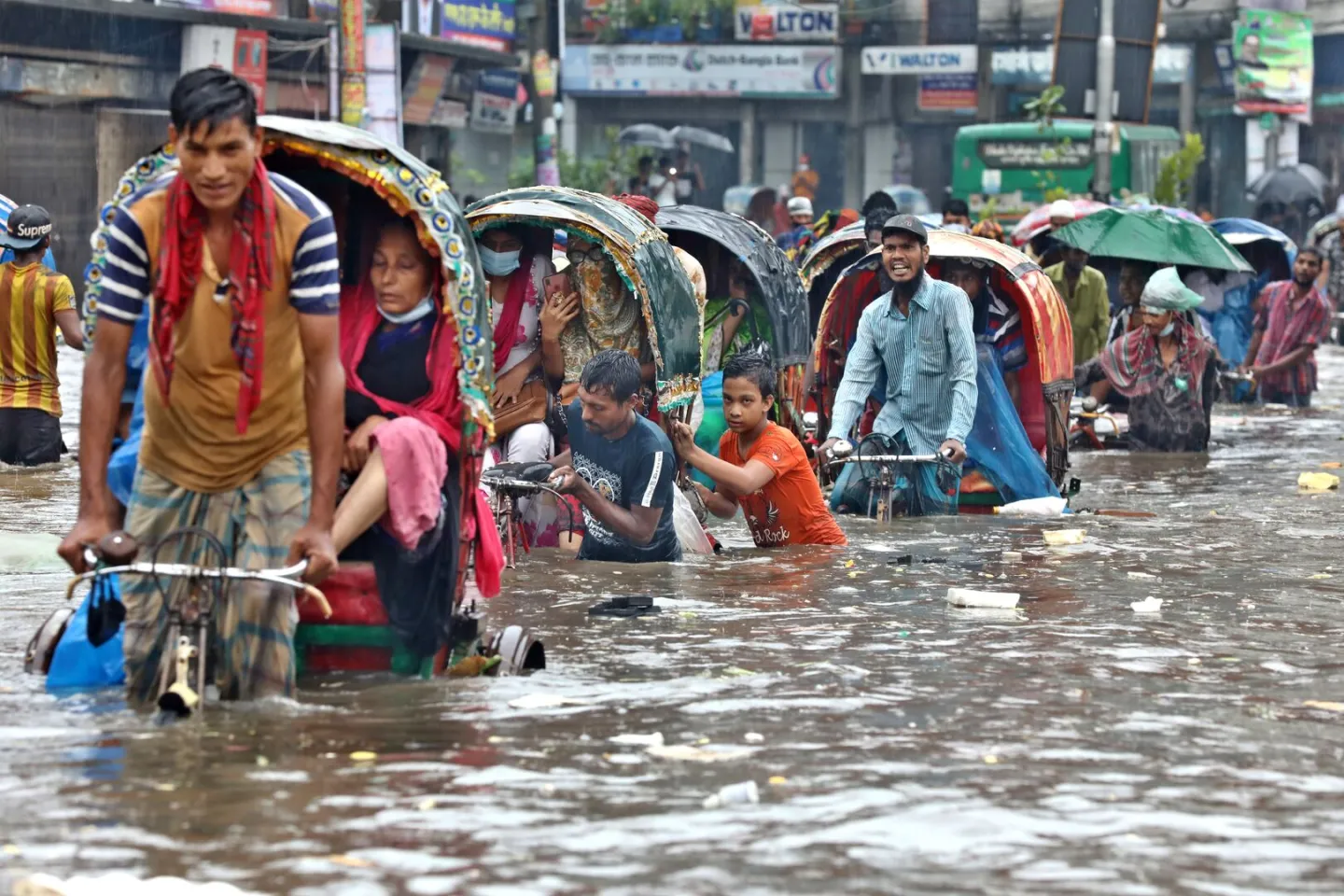
A climate-proof future means that our economy, living environment, agriculture and nature are resilient to the impacts of climate change. Weather patterns are changing worldwide. Extremes are becoming more severe, leading to floods, droughts, storms, wildfires and heatwaves. Sea levels are rising, posing particular risks for low-lying countries and deltas.
To counter these impacts, innovative solutions are needed – for both climate adaptation (adjusting to a changing climate) and climate mitigation (reducing greenhouse gas emissions and habitat loss). To meet the goals of the Paris Agreement, we must find ways to lower the effects of climate change. Emissions need to fall, for example by improving production processes, increasing carbon storage and developing biobased energy and products.
Understanding natural processes plays a crucial role in this. Wageningen Environmental Research holds extensive knowledge of nature-based mitigation measures. Nature-based solutions not only help reduce greenhouse gas emissions by a third, they also improve soil, air and water quality while increasing biodiversity. This, in turn, strengthens resilience to increasing weather extremes.
Climate-adaptive measures ensure that damage is limited. Water-retaining landscapes provide space for excess rain or river water. Climate-proof urban trees provide cooling shade now and in the future. Agricultural innovations – such as nature-inclusive farming and precision technologies – ensure that our food is produced sustainably and efficiently. We work closely with governments, industry, research partners and NGOs to accelerate and scale up the implementation of climate measures.

Why are climate adaptation and climate mitigation important?
The concentration of greenhouse gases in the atmosphere is higher than ever before. This leads to rising temperatures, sea-level rise, salinisation, more extreme weather, heatwaves and flooding. These impacts directly threaten climate-sensitive sectors such as agriculture, forestry, fisheries and nature. For low-lying areas such as the Netherlands, safety in relation to water management is an urgent issue. But climate change knows no borders: global cooperation through policy, trade and knowledge exchange is essential for effective action.
At the same time, climate change and biodiversity loss are among the world’s most pressing challenges. Urgent action is needed on both fronts: by reducing emissions and habitat loss (mitigation) and by limiting the impacts of climate change (adaptation). Mitigation requires adjustments to production processes, increased natural carbon storage and the use of biobased energy and materials. Nature-based mitigation solutions make a significant contribution – not only by capturing CO₂, but also by improving soil, air and water quality and enhancing biodiversity.
Adapting to climate change is unavoidable. This adaptation can be reactive – finding solutions after a disaster to prevent future damage – or proactive, by taking measures in advance. The challenge is twofold: manage the unavoidable and prevent the unmanageable. WUR works on solutions that keep climate impacts under control and on measures that reduce climate change itself by cutting emissions and habitat loss. The Paris Agreement provides the guiding framework for this action.

What causes climate change?
Climate change does not exist in isolation. It is intertwined with global developments such as population growth, urbanisation, changing diets, technological change and geopolitical tensions. All these factors increase pressure on natural resources such as soil, water and biodiversity. Economic and political instability also affects resource flows, food security and investment in sustainable technologies – even though the transition to a sustainable food and energy system is one of the most powerful ways to tackle climate change.
In cities, climate change leads to increased heat stress, especially for vulnerable groups such as older people. Without greening and smart urban design, health risks will continue to rise. Climate-proof cities are therefore essential for a liveable future.
Climate-proof futures
To withstand the impacts of climate change, adaptation is essential — from green cities to nature-inclusive agriculture.
Follow Wageningen University & Research on social media
Stay up-to-date and learn more through our social channel.