Student Challenges

From student ideas to real-world solutions
Student Challenges empowers students to work on real-world issues through international competitions hosted or supported by Wageningen University & Research. We connect students, researchers, and partners to turn ideas into meaningful, tangible solutions.
Upcoming challenges


Why join a Student Challenge

Solve real-world challenges
Tackle real societal issues such as climate change, food security, and biodiversity. Work on challenges that matter, together with partners from industry, research, and international organisations.

Learn by doing
Develop practical skills like business development, problem-solving, and pitching. Gain hands-on experience that complements your studies and prepares you for your future career.

Work with people worldwide
Collaborate with students from around the world and engage with experts, mentors, and organisations. Expand your network and gain insights from different disciplines and perspectives.

Make ideas happen
Bring your ideas to life through prototypes, research, or start-ups. Some teams go on to launch their own ventures, land jobs through connections made, or continue with research or PhDs based on their challenge ideas.
Upcoming Events
From 22 April: Inter-University Sustainability Challenge (IUSC) (EWUU)
Global, interdisciplinary teams create innovative solutions to drive sustainable change on future campuses, in this challenge organised by EWUU.
- Who: 2nd and 3rd year Bachelor's students.
- Date: 22 April until 19 June.
- Location: Hybrid with two live events at one of the institute’s locations.

2 June: The Grand Finale (NbF Challenge)
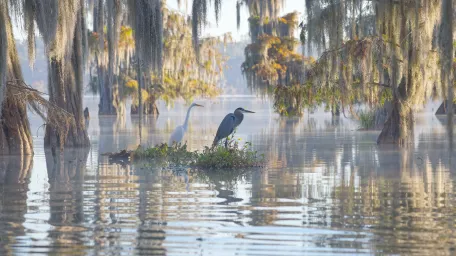
After six months of work in the Nature-based Future Challenge, the top 10 teams from around the world arrive in Wageningen to present their ideas, face the jury, and compete for €9,000 and a trip to Louisiana. Join us to experience the energy, the pitches, and the moment we discover this year’s winner.
29 September: Grand Finals (FSI Challenge)
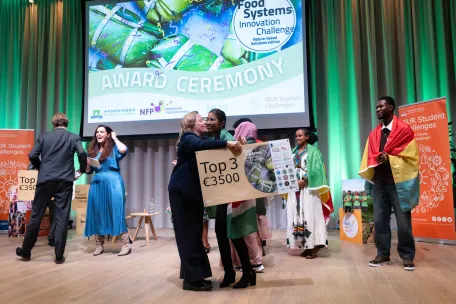
After months of hands-on work in the Food Systems Innovation Challenge, 30 teams from around the world come together in Wageningen to share their solutions for transforming local food systems. Meet the people behind the ideas and discover which teams rise to the top and take home the final prize.
From 22 April: Inter-University Sustainability Challenge (IUSC) (EWUU)
Global, interdisciplinary teams create innovative solutions to drive sustainable change on future campuses, in this challenge organised by EWUU.
- Who: 2nd and 3rd year Bachelor's students.
- Date: 22 April until 19 June.
- Location: Hybrid with two live events at one of the institute’s locations.
2 June: The Grand Finale (NbF Challenge)
After six months of work in the Nature-based Future Challenge, the top 10 teams from around the world arrive in Wageningen to present their ideas, face the jury, and compete for €9,000 and a trip to Louisiana. Join us to experience the energy, the pitches, and the moment we discover this year’s winner.
29 September: Grand Finals (FSI Challenge)
After months of hands-on work in the Food Systems Innovation Challenge, 30 teams from around the world come together in Wageningen to share their solutions for transforming local food systems. Meet the people behind the ideas and discover which teams rise to the top and take home the final prize.
News and Stories (11)

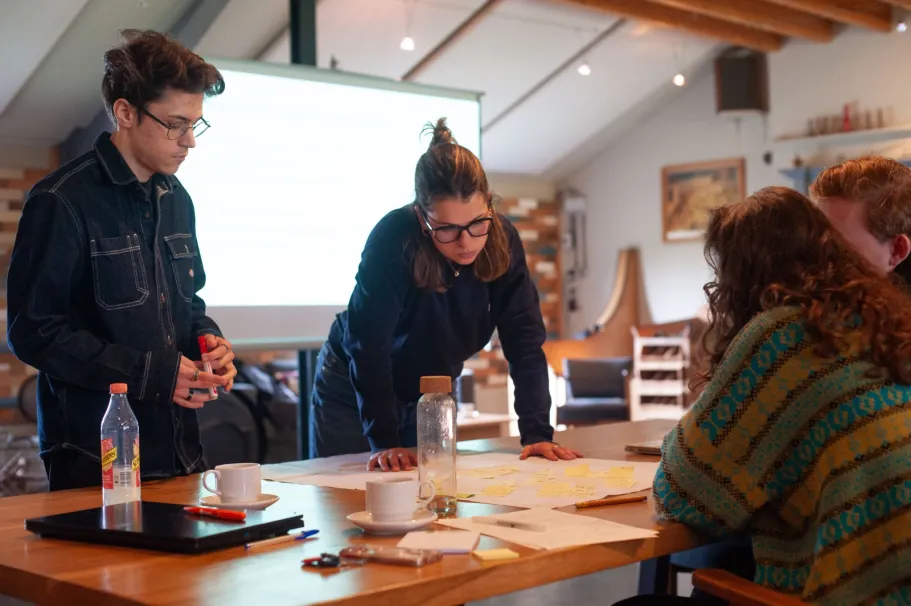
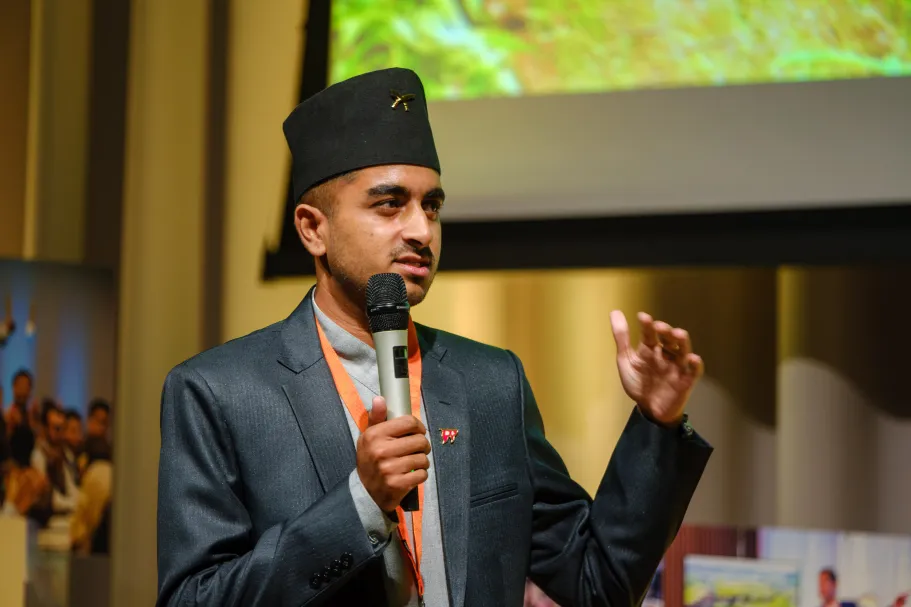


“It was a challenging project, but the experience was rewarding. Learning from peers, sharing ideas, and supporting one another along the way made it both valuable and memorable.”
- Team Naturise
- finalist of the NBF Challenge #1
What students achieve
Our challenges open doors to careers, networks, research opportunities, and start-ups, while creating real impact for society.

33k
student participants500+
patricipating universities73
countries6
continents“We are still overwhelmed how much it changed our lives in such a short time. The chances offered to students all around the world through the competition are unique and truly amazing”
- Fabiola
- Winner ReThink Protein #1
“It brings hope, showing how students around the world collaborate to tackle society’s challenges with positivity.”
- Bertram de Rooij
- coach, Wageningen University & Research
Past competitions
The Food Systems Innovation Challenge - Nature-based Solutions edition strives to cultivate youth engagement and entrepreneurship by actively involving young individuals in national efforts concerning socially and environmentally sustainable food systems.
The agri-food sector is complex, with many interconnected parts, such as farming, processing, distribution, and consumption. A system analysis approach is essential to understand these connections and address challenges like resource inefficiency, environmental impact, food insecurity and social well-being. It helps identify how different components influence each other, such as how farming practices affect soil health and biodiversity or how consumer demand shapes supply chains. Have you ever realised that your choices at the supermarket can directly influence cropping systems and the surrounding environment, shaping the way food is grown and its impact on nature?
With limited resources, a growing global population, and climate change causing extreme conditions, we require more sustainable and circular methods of food cultivation to meet the UN Sustainable Development Goals.
Research into space farming can serve as a catalyst, propelling the development of technologies that support sustainable food production on Mars, Moon and Earth. It can also help us to utilise locations on Earth that were previously deemed unsuitable for farming and reconsider the concept of food.
Protecting biodiversity might sound like a huge task, but every small step counts—especially when it comes to local actions. Whether it’s planting native plants, reducing waste, or supporting local wildlife, these efforts can have a bigger impact than we realise. Local changes create a ripple effect, helping ecosystems stay balanced and healthy, and ultimately contributing to a more sustainable planet.
Clothing is a fundamental human need. Textiles form a vast industry, producing over 100 million tons of fibres annually, with continuous growth. Despite its importance, the textile industry is one of the largest emitters and polluters globally. It heavily depends on non-renewable resources like fossil oil. Moreover, textile production is dispersed globally, with different stages of the process occurring in various locations.
Can you solve the organic waste puzzle in the city of Rotterdam?
In an era where the availability of raw materials is diminishing rapidly and natural resources are being depleted, proper waste management is the missing chain link to a fully circular economy. While there are already systems for sourcing and recycling materials such as plastic, paper, glass or textile, management of organic waste remains difficult. As a result, vegetable, fruit, and garden leftovers are often wasted, despite their great potential as a resource for agriculture.
To create a world without hunger, in which everyone has access to sustainable, healthy, safe and affordable food we need to transform our food systems. Countries around the world translated their commitments to reaching this goal by 2030 into National pathways to sustainable food systems, linked to the UN Food Systems Summit. The Food Systems Innovation Challenge strives to cultivate youth engagement and entrepreneurship by actively involving young individuals in these pathways and other national efforts concerning socially and environmentally sustainable food systems.
Wageningen University & Research is excited to host the Global One Health special prize within the Transformative Research Challenge of World Food Forum (WFF). Teams of young and young-at-heart researchers are invited to submit a two-page concept note proposing an innovative research idea to help end hunger and transform our agrifood systems. Shortlisted and selected participants receive expert mentorship and funding to help translate their concepts into sound research proposals or plans and present them at the WFF global stage in October 2023.
The Mississippi River Delta Region of South Louisiana faces a range of interconnected social, environmental, and economic issues that have the potential to be addressed through innovative and targeted solutions. Wageningen University & Research invites students from all over the world to envision nature-based solutions that can transform this region.
To achieve a transformation in food systems under climate change we need you! Yes, you, the climate generation, who are both vulnerable to the current and future impacts of climate change, but also offer the way forward.
The aim of the challenge is to bridge the gap between knowledge and practice on the Sustainable Development Goals SDGs, particularly SDG 2, Zero Hunger. Working on food and nutrition does have significant effects on other SDGs for instance climate, sustainable consumption and biodiversity. This so called trade-offs are to be taken into account, we have to work on the transformation of the entire food system.
Will you develop the breakthrough idea to feed 9 billion people with healthy, sustainable and affordable protein?
In the ReThink Protein Challenge students from all over the world are challenged to come up with a business idea or prototype that helps provide 9 billion people with enough protein in a way that is healthy, affordable and sustainable for our planet.
In the Urban Greenhouse Challenge series, multidisciplinary student teams were challenged to bring professional food production (back) into urban neighbourhoods, integrating social, economic, environmental and technical aspects in one coherent concept. Their designs were based on an existing location in one of the world’s major metropoles, different in every edition of the Challenge
Nature based solutions are actions to protect, sustainably manage, and restore natural or modified ecosystems, that address societal challenges effectively and adaptively, simultaneously providing human well-being and biodiversity benefits. Nature-based solutions are part of the answer to the biggest challenges of the 21st century, being climate change and biodiversity loss.
18 Interdisciplinary teams of WUR students have taken it upon themselves to present fresh and innovative ideas, concepts or designs for soil health in the context of the following guiding questions:
- What is soil health and how can it be measured?
- How can land users and policy makers use soil health information to do a better job?
- What are effective ways of communicating soil health to a wider audience (general public)?
Meet the team
Socials
On our social media channels you can follow and join new Student Challenges and get smart with our free webinars! You'll love to learn to think more outside the box and expand your (business) network.
You can find us on LinkedIn, YouTube, Instagram and Facebook.
On our YouTube channel you can check out all our current and past challenges. You can also take your knowledge to a new level with our free webinars, masterclasses and lectures from our experts. Follow us on Instagram (use #wurchallenges to be featured!) and Facebook to discover inspiring projects, behind-the-scenes stories, and exciting updates.

Visit Wageningen Campus
Wageningen Campus is a hotspot for innovation and knowledge sharing that brings together talent and scientific expertise.
Follow Wageningen University & Research on social media
Stay up-to-date and follow all activities and stories of our students.